
Is 99% Pure Alpha-Lipoic Acid the Key to Fighting Wrinkles and Dullness?
"I’ve used anti-aging serums for six months, but my fine lines haven’t faded—my skin has only gotten duller." "As someone with sensitive skin, I want to fight aging, but I’m scared of retinol irritation or Vitamin C intolerance. Are there other options?" Questions like these fill skincare forums. Recently, a component called 99% pure Alpha-Lipoic Acid (ALA) has been popping up on dermatologists’ recommendation lists—it brightens like vitamin C, reduces wrinkles like retinol, and works for sensitive skin. Can this "all-in-one" anti-aging ingredient really solve our skincare struggles?
Understanding 99% Alpha-Lipoic Acid: More Than Just "High Purity"
| From "Body’s Natural Component" to "Skincare Rising Star" Alpha-Lipoic Acid is a "natural antioxidant" found in human mitochondria, produced in small amounts during energy metabolism. However, as we age, our bodies make less of it—so external supplementation via skincare becomes necessary. The "99% purity" label isn’t just a gimmick: Chemicalbook’s 2025 Shanxi Alpha-Lipoic Acid Manufacturer Price report clarifies that cosmetic-grade ALA must have a purity of ≥98%. Impurities cause products to turn yellow quickly after opening and may irritate the skin. 99% purity acts as a "double safety net": it preserves ingredient activity and minimizes sensitivity risks. | 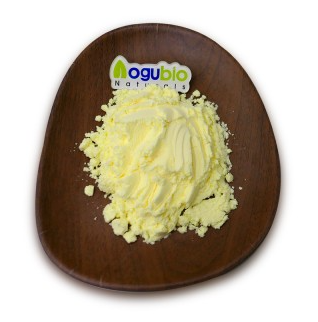 |
A Table to Compare It with Traditional Anti-Aging Ingredients
| Ingredient | Solubility | Acting Layers | Irritation Level | Core Benefits |
| 99% Alpha-Lipoic Acid | Amphiphilic (water + fat) | Epidermis → Dermis → Subcutaneous | Low(0.67% sensitization rate) | Antioxidation +Wrinkle Reduction + Brightening + Repair |
| Vitamin C | Water-soluble | Mainly Epidermis | Moderate (prone to redness) | Brightening + Mild Antioxidation |
| Retinol | Fat-soluble | Epidermis → Dermis | High (needs tolerance building) | Wrinkle Reduction + Collagen Boost |
| Niacinamide | Water-soluble | Mainly Epidermis | Low (irritation at high concentrations) | Brightening + Oil Control |
(Data sources: Pharmaceutical Information Network 2025 Alpha-Lipoic Acid Supply Information.)
Scientific Evidence: How It Solves Wrinkles and Dullness
- Fighting Free Radicals: A "Dual-Layer Shield" for Skin
"10 minutes of sun exposure daily speeds up skin aging by 3x"—this is because UV rays trigger massive free radical production, damaging skin cells. 99% Alpha-Lipoic Acid’s antioxidant power is nothing short of "superior": an in vitro study by Angel Biology (2025) showed it eliminates free radicals 400x more effectively than vitamin C, with effects lasting up to 8 hours. What makes it unique is its ability to "reactivate" the skin’s natural antioxidant system—for example, it "restores" oxidized vitamin E to its active form, creating a cycle of enhanced protection. This is why it outperforms single-ingredient products (Skincare Ingredient Series, 2024).
- Reducing Wrinkles: From "Damage Control" to "Repair"
Ms. Li, 35, used a facial cream with 1% Alpha-Lipoic Acid for 16 weeks and saw a 19% reduction in crow’s feet depth. This result comes from two key actions: first, it inhibits the activity of "collagen-degrading enzymes" (MMPs), preventing collagen damage from UV rays. Second, it activates fibroblasts, accelerating the synthesis of Type I and Type III collagen to rebuild the dermis’s "support network".
- Improving Dullness: More Than "Whitening"—It Fights "Yellowing"
Many people’s dull skin stems from "glycation"—when collagen binds to glucose, it leaves skin yellow and lackluster. 99% Alpha-Lipoic Acid binds to collagen before glucose can, reducing the formation of Advanced Glycation End Products (AGEs). Additionally, it inhibits the "melanin switch" (MITF), reducing melanin synthesis by 41%—more effective than 2% vitamin C (Skincare Ingredient Series, 2024).
How to Choose for Different Skin Types: 3 Scenarios
- Sensitive Skin: Gentle Repair, No More "Redness from Anti-Aging"
Sensitive skin fears irritation during anti-aging, but a 0.3% Alpha-Lipoic Acid concentration is enough to work. An Angel Biology (2025) study showed that consistent use of a cream with this concentration reduces redness in sensitive skin by 35%, and stinging scores drop from 4.2 to 1.8 (out of 5). Look for products paired with panthenol or ceramides which delivers antioxidants while strengthening the skin barrier.
- Oily/Acne-Prone Skin: Oil Control + Anti-Aging in One
Wrinkles in oily/acne-prone skin often come with enlarged pores and breakouts. 99% Alpha-Lipoic Acid inhibits 5α-reductase, cutting sebum production by 29%, and suppresses Cutibacterium acnes (68% antibacterial rate).
- Dry Skin: Anti-Aging Without Dryness
Dry skin often feels tighter after using anti-aging products, but Alpha-Lipoic Acid boosts ceramide synthesis, reducing Transepidermal Water Loss (TEWL) by 23%.
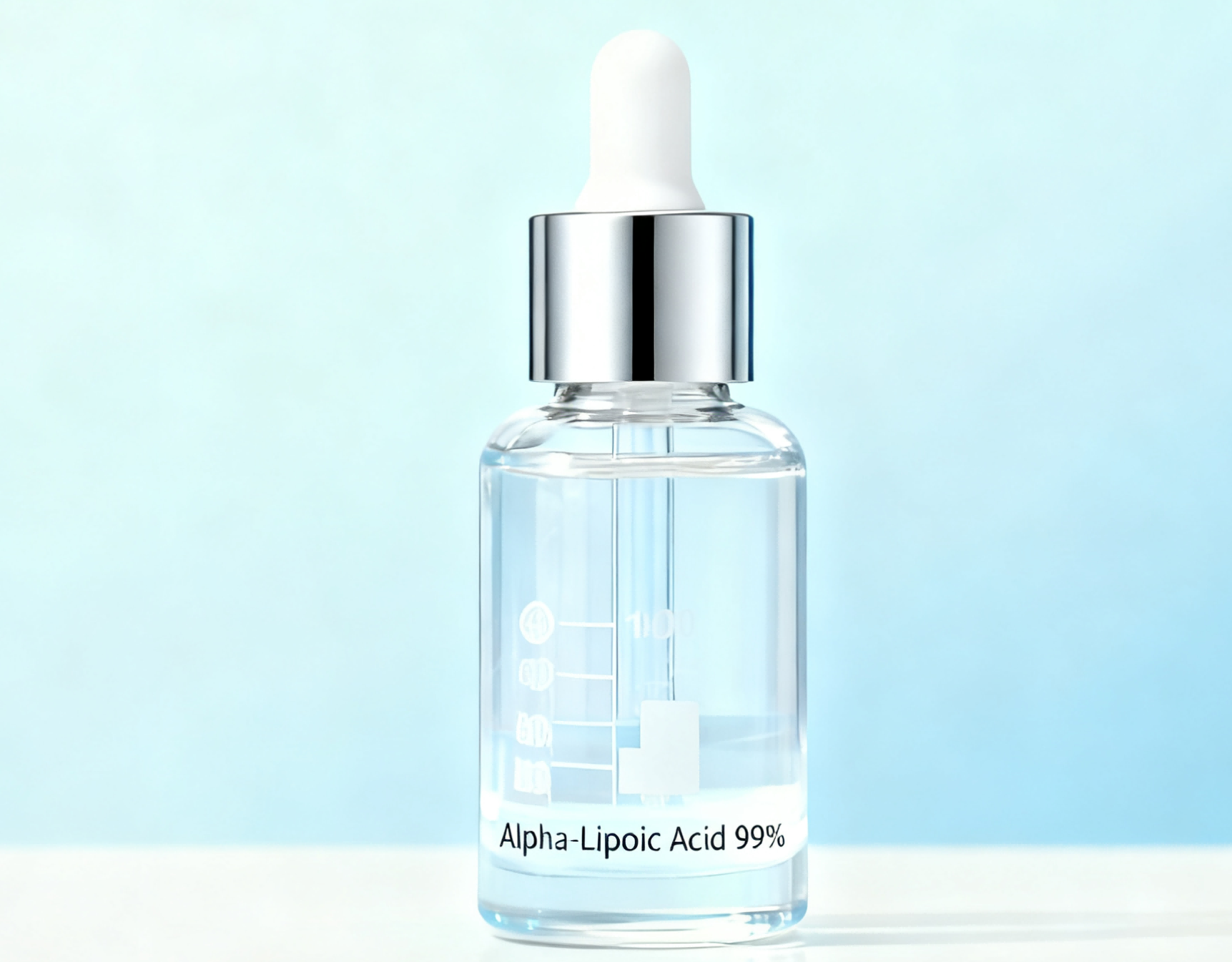
Application Fields of 99% Alpha-Lipoic Acid in Cosmetics
- Anti-Aging Serums: High-Activity Penetration for Targeted Wrinkle Reduction
Serums are a core application scenario for Alpha-Lipoic Acid. Their lightweight texture and fast absorption allow the ingredient to reach the dermis directly. Such products typically feature "high concentration + synergy," with ALA content ranging from 0.5% to 2%, combined with collagen peptides, hyaluronic acid, and other ingredients to enhance anti-aging effects.
- Repair Creams: Gentle and Long-Lasting, Suitable for Sensitive Skin
Cream products encapsulate Alpha-Lipoic Acid in an oil-based matrix, which improves ingredient stability and forms a moisturizing film. Repair creams for sensitive skin usually contain 0.3% to 0.5% ALA, combined with barrier-repairing ingredients like panthenol and ceramides.
- Brightening Masks: Short-Term Intensive Care for Dullness
Masks use a sealed environment to promote Alpha-Lipoic Acid absorption, making them ideal for "emergency brightening." Overnight masks often adopt "low-concentration + gentle formulas".
- Oil-Control Acne Products: Balancing Oil While Fighting Aging
For oily and acne-prone skin, Alpha-Lipoic Acid is often combined with oil-controlling and anti-inflammatory ingredients, with a concentration of 0.5% to 1%.
Tips for Consumers: 3 Selection Hacks
- Check Concentration: For daily anti-aging, 0.3%-1% works. Sensitive skin starts at 0.3%, while those seeking stronger wrinkle reduction can choose 1%-5% (build tolerance first).
- Look for Technology: Prioritize products labeled "nano-encapsulated" or "microcapsulated." Avoid transparent packaging (prone to light-induced oxidation).
- Check Combinations: For wrinkles, choose pairs with collagen peptides or retinol propionate; for brightening, look for niacinamide or tranexamic acid; for repair, opt for panthenol or ceramides.
Conclusion
When we’re torn between "fighting wrinkles or brightening" and "effectiveness or gentleness," 99% pure Alpha-Lipoic Acid offers a new solution—it’s not the "best" at a single benefit, but a "balance master" that meets multiple needs. As Angelobc (2024) predicts, it may join vitamin C and retinol as the "Big Three" of anti-aging skincare in the next 3-5 years. If you’re still unsure about which anti-aging ingredient to choose, give it a try—you might find your perfect skincare match.
- Name: Yuki
- E-mail: sales02@nahanutri.com
- WhatsApp:+8618066950297